

The Metric YouTube Tracks That Tech Creators Never Check
Tech creators love data. Dashboards get refreshed, graphs get studied, and every upload turns into a mini performance review. Views, watch time, click-through rate—these are the usual suspects. But YouTube tracks far more than what’s shown front and center in Analytics, and one particular metric quietly influences how often your videos get pushed, who they’re shown to, and whether your channel grows steadily or plateaus. The problem? Most tech creators never even look at it.
Viewer Satisfaction Signals
While creators focus on visible numbers, YouTube pays close attention to viewer satisfaction signals. These include things like post-watch surveys, likes relative to impressions, and whether viewers feel a video met their expectations. A video with moderate views but strong satisfaction can outperform a high-view video that leaves viewers frustrated. Some creators try to compensate for slow growth by deciding to buy 1000 youtube subscribers, but YouTube’s systems are far more interested in how real viewers respond after clicking, not how big the subscriber count looks.
Return Viewer Rate
One of the most ignored metrics is how often viewers come back to your channel after watching a video. Tech content especially benefits from returning viewers because it signals trust and authority. If someone watches a laptop review and then returns days later for a software tutorial, YouTube notices. A strong return viewer rate tells the algorithm your channel isn’t just searchable—it’s valuable. Many creators chase viral spikes while overlooking the long-term power of repeat interest.
Session Extension Impact
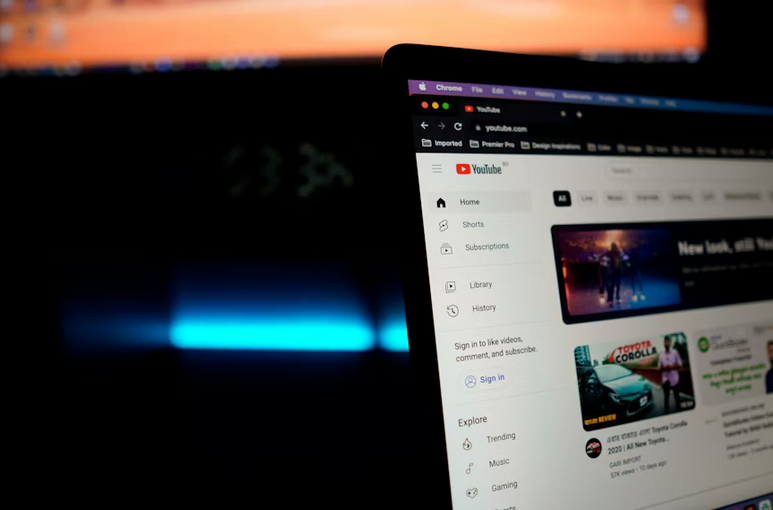
YouTube doesn’t just care about how long someone watches your video; it cares about what they do next. If your content encourages viewers to continue watching other videos—yours or even someone else’s—it contributes positively to session extension. Tech creators who link concepts together or naturally recommend follow-up topics often perform better here. This metric stays mostly invisible, yet it strongly affects how often your videos get recommended on home pages.
Engagement Timing Patterns
Engagement isn’t just about how much—it’s about when. YouTube tracks how quickly viewers like, comment, or share after a video goes live. Early engagement velocity can influence whether a video gets an initial recommendation push. Tech creators who publish consistently and train their audience to interact early often see better performance, even if their overall engagement numbers aren’t massive.
Scroll-Stopping Effectiveness

Before a view even happens, YouTube measures how often people pause their scrolling to look at your thumbnail and title combination. This goes deeper than click-through rate. If viewers hover or slow down on your video but don’t click, YouTube still learns something about interest mismatch. Tech creators who test curiosity-driven titles but deliver clarity inside the video tend to improve this subtle but influential metric.
The biggest mistake tech creators make isn’t misunderstanding YouTube—it’s oversimplifying it. The platform tracks far more than views and subscribers, and the metric you never check may be shaping your channel more than you think. Viewer satisfaction, return visits, session impact, and engagement timing all feed into how YouTube decides who deserves attention. …








 Autodesk is the software company behind AutoCAD, and that’s where this creative drawing tool is born. This app is not specialized to create technical drawings like AutoCAD but to draw freehand sketches. SketchbookPro’s built-in paint processor allows you to compose high-quality drawings and sketches. It also includes 46 preset pens, markers, and pencils that make it easy for architects to convey their ideas. You can even customize brushes to allow for infinite adjustment of the final product. More importantly, this app works best not just on iPhone devices but also on iPad and even iPod touch. With only $0.99, this app is indeed a great value.
 Italic Labs LC created this application to catalog architectural forms. Although not a design tool, it inspires the creativity of architects who are running out of ideas. This app can achieve that much since it provides numerous photos of interesting buildings and structures worldwide. Therefore, you can get endless inspiration using this app.
 Apps have a lot of memory and are able to handle large amounts of data. They are capable of performing many tasks. In contrast, programs have little memory and can only handle a moderate amount of data. A program is designed to perform only one specific task.
 When you start your own business, you are likely to be successful as long as the idea of your app is revolutionary. But even if it’s not radical, it must provide value to users. Learn to critique your work. The moment it’s a wonderful idea to trust yourself, you can choose to learn how to critique your product. The moment you are finished with a program, ask yourself why others should download and use it. Your goal should be to create a program that solves a problem that many customers in the market have. By solving their problems, your program will make their lives easier.
 If you want your app to become popular, you should stick to the latest trends. This can inform you what features to focus on. An app’s success can be estimated once it appears on Google Play. Right now, there are about 2.2 billion apps available for download and installation. If you want to stand out to this particular audience, you need to have something that appeals to them. Therefore, you need to choose a market that will provide the answers you can get.
 If you are a freelance programmer and want to attract more clients, remember to create an excellent portfolio. Creating samples of your work is of the utmost importance, especially if you are just starting. We can’t deny the importance of having an excellent portfolio. As a new developer, it may not be easy to achieve success, but it is possible. If the company has a website that is compatible with the desktop computer but is not compatible with the operating platform and also the point of the smartphone
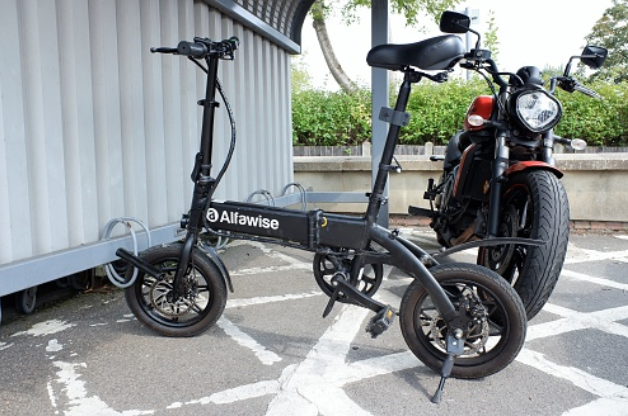


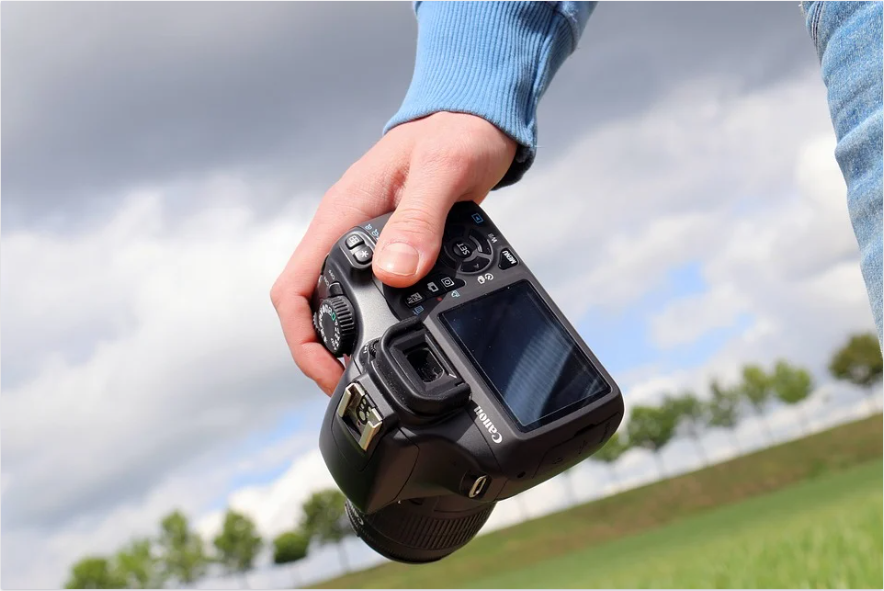
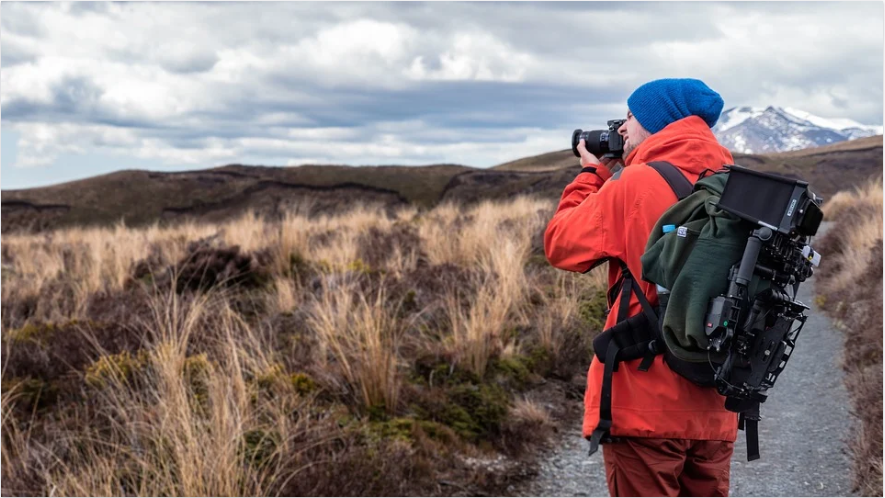
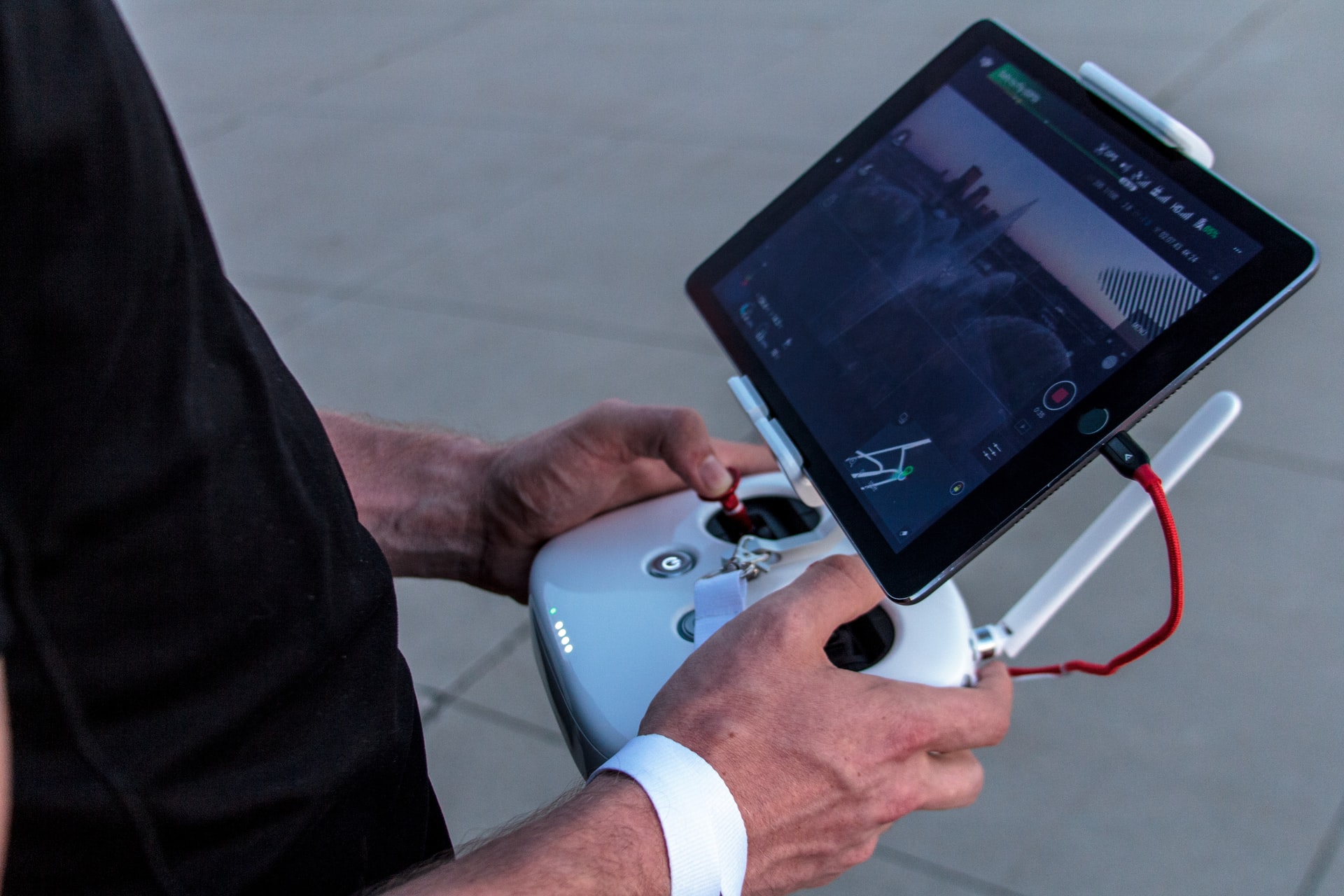
 For example, if it comes to locating this device for recreational purposes, an inexpensive quadruple helicopter will suffice later. However, suppose you want to buy the drone for aerial photography and professional video. In that case, you want to go out and get an advanced version that can take pictures from different angles. If you plan to purchase the drone for inspection purposes, it would be wise to choose a drone operating in adverse conditions.
 The price of devices depends on what type it is; if you want to buy the simpler version, you do not need to spend a lot of money. You can locate …

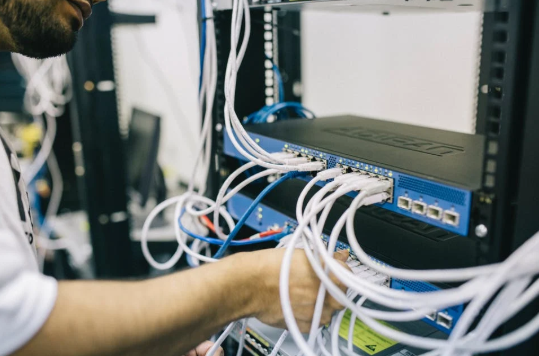
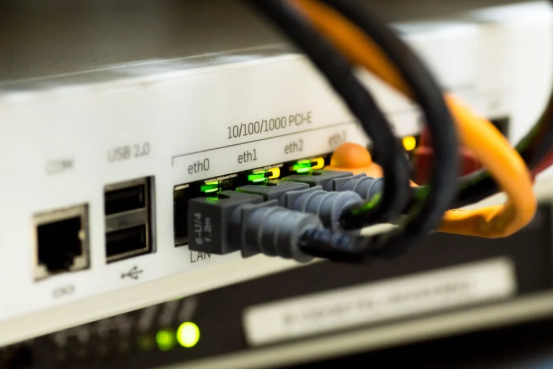 This is not the manual to get too involved in the jargon of things, but speed ratings are something to keep in mind. You don’t have to buy the best wireless router you can find if you use very little Internet. If you want to receive a wireless signal somewhere in your home, you should try the range.



 Bitcoin Evolution is an app that will provide you with smart advice about whether to buy cryptocurrency. Bitcoin evolution is straightforward since all you need to do see their website, download your data is registered by the app you joined the club of millionaires.


 Shopping has evolved with the rise of technology. The better you use your technology and your computer, the more inclined you are to use it. The increase in educational strategies and security technologies in making consumers shop online has led to an increase in customers.
 Consumers can make their purchases through the Internet to get a share of the regular websites they save. Search engines can put the hyperlink on the product in case they need to search for goods. These are websites of manufacturers, shopping centers, and special websites.

 Tech has provided us access to plenty of health information tools, making it simpler than ever to develop and practice skills such as gratitude, mindfulness, and emotion regulation on the web. Now you can use programs to do everything from monitoring your disposition to practicing breathing.
 The application is not visible to the person on whose phone it is configured. It’s wallpaper. There are no traces. The application does not display an icon to indicate its presence. Your spyware must have the features to help you slide, see, and exit. The importance of using spyware cannot be overestimated.
 All spyware programs require access to configure these programs. Users call spyware enthusiasts, and everyone should be skeptical of companies that run their spyware applications without the installer. Before installing these five spyware applications, you should make sure that the target phone and phone are on the Internet. Spyware does not work offline. The spyware application works before transmission by sending data from the target gadget to the spyware application accounts. This is because spyware applications have time until they are forwarded to customers. The stronger, the more loyal your characters are, the faster you will receive the information from the target’s mobile phone. It’s time to take a look at …






 35mm is the typical film format that some of you may have used at some point in your life. While the image quality of 35mm film has been abandoned, many things have worked wonders to maintain the image quality. Professional photographers choose the 35mm format, especially during a sporting event. The camera is suitable for mobile photographers as it has a lightweight and less intrusive with a faster system for photojournalists. In case your wedding applies a concept that requires a quick movement wedding, then 35mm film can be the right choice.
 When it comes to digital technology, there are many subsystems available, even for hunters with its
 For any business to develop, it is to be a source for a rise in demand. Being a site owner, your goal is to pull clients. To get a site, you might need visitors to your site. The only way in supporting many customers by using a large bandwidth. Your business must have enough of it. The web is those that enable you to obtain to find bandwidth, preferably. Considering the bandwidth, it is more cost-effective. You are going to be rescuing the capital to work it on well. Choose a web hosting which could give you bandwidth. Buy that tend to love in looking after traffic.